Skip to content
25 mushrooms
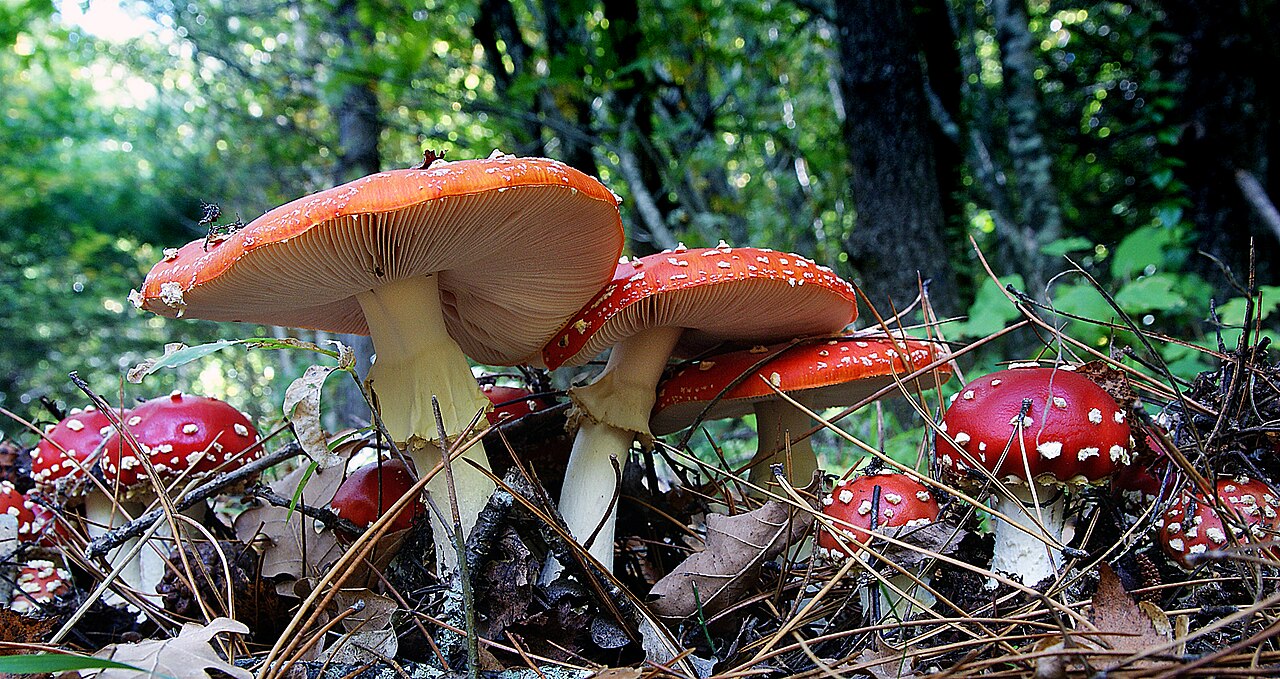 Fly agaric
PoisonousFly agaric
Amanita muscaria
- Edible? No. Toxic and psychoactive.
- Uses Historical and cultural use; not a home treatment.
- Season Late summer through fall.
- Range Northern Hemisphere, including North America and Norway; introduced elsewhere.
- Characteristics Red to orange cap, white warts, white gills and stem.
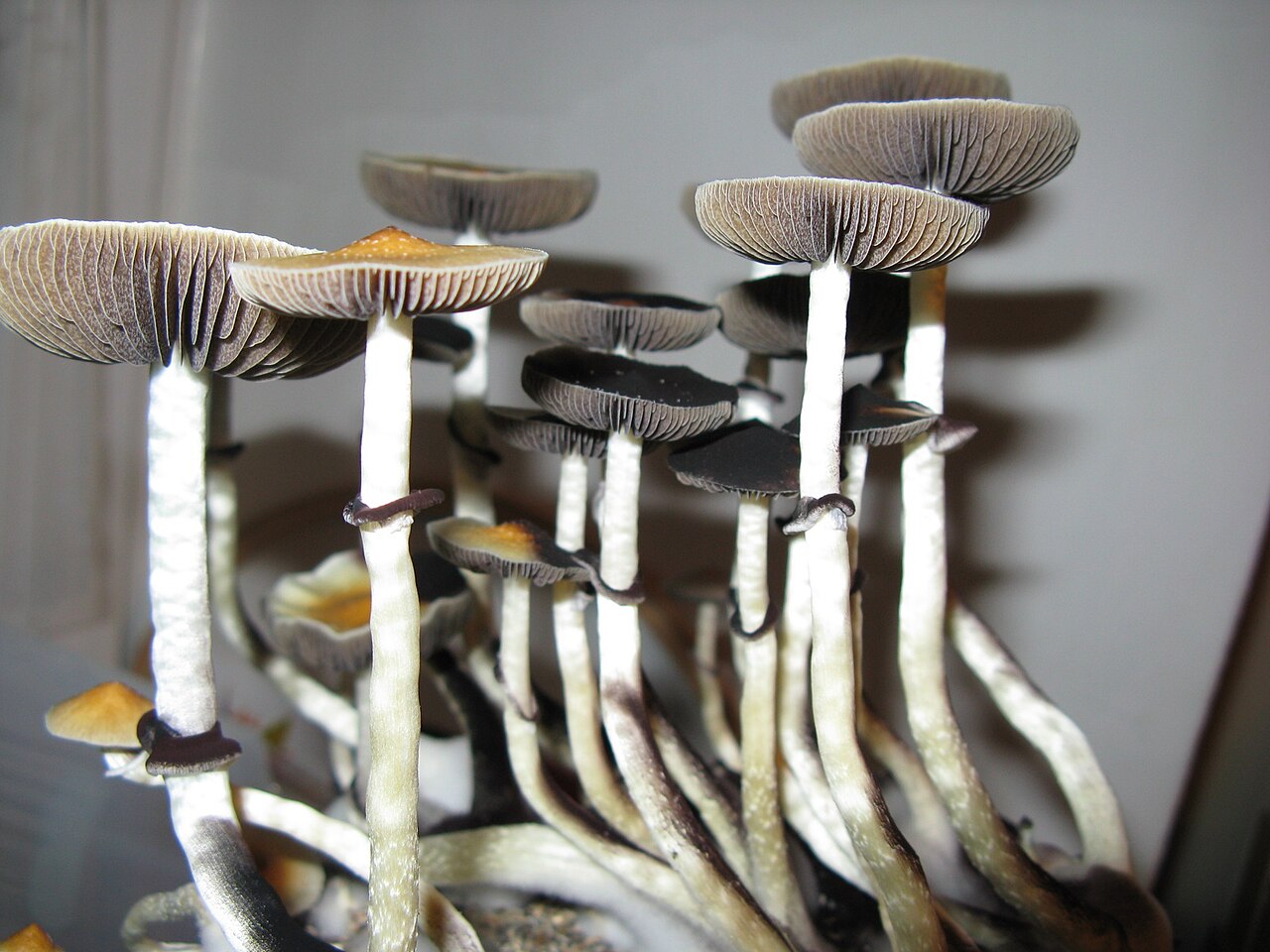 Golden top
PsychedelicGolden top
Psilocybe cubensis
- Edible? No. Psychoactive and not treated as food.
- Risk Contains psilocybin; misidentification and altered judgment can cause serious harm.
- Season Warm, wet periods; timing follows local rainy seasons.
- Range Tropical and subtropical regions in the Americas, Asia and Australia.
- Characteristics Golden-brown cap, dark purplish-brown spores, a stem ring and possible blue bruising. Bruising alone does not confirm identity.
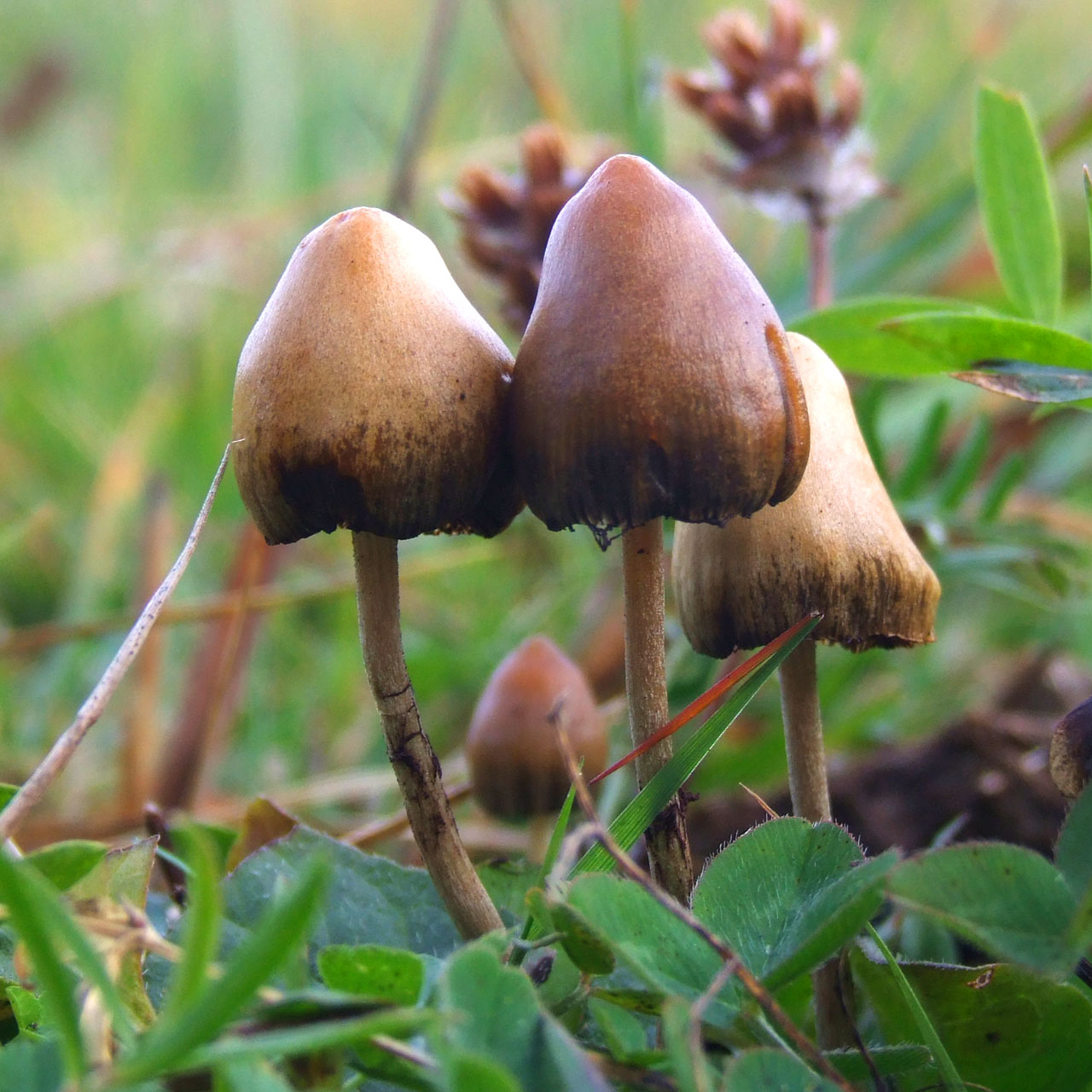 Liberty cap
PsychedelicLiberty cap
Psilocybe semilanceata
- Edible? No. Psychoactive and unsafe to identify from a photo.
- Risk Contains psilocybin and has dangerous small brown lookalikes.
- Season Cool, wet weather from late summer into early winter.
- Range Temperate grasslands in Europe, North America and parts of the Southern Hemisphere.
- Characteristics Small conical brown cap with a pointed tip and slender stem; the cap changes color as it dries.
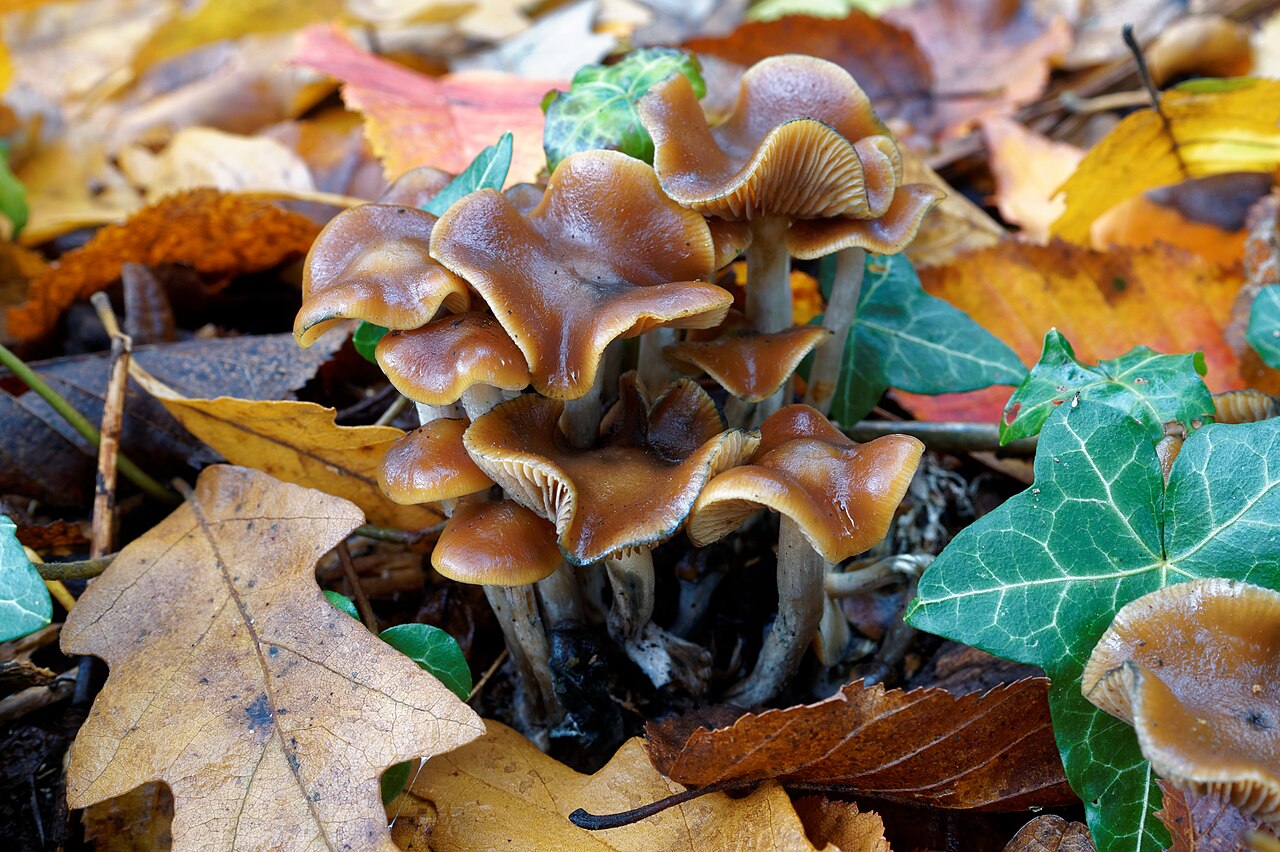 Wavy caps
PsychedelicWavy caps
Psilocybe cyanescens
- Edible? No. Psychoactive and easily confused with harmful species.
- Risk Contains psilocybin; deadly Galerina mushrooms can share the same habitat.
- Season Fall into early winter during cool, wet weather.
- Range Pacific Northwest, western and central Europe, with introduced populations elsewhere.
- Characteristics Caramel-brown cap with a wavy edge, clustered growth on woody debris and possible blue bruising.
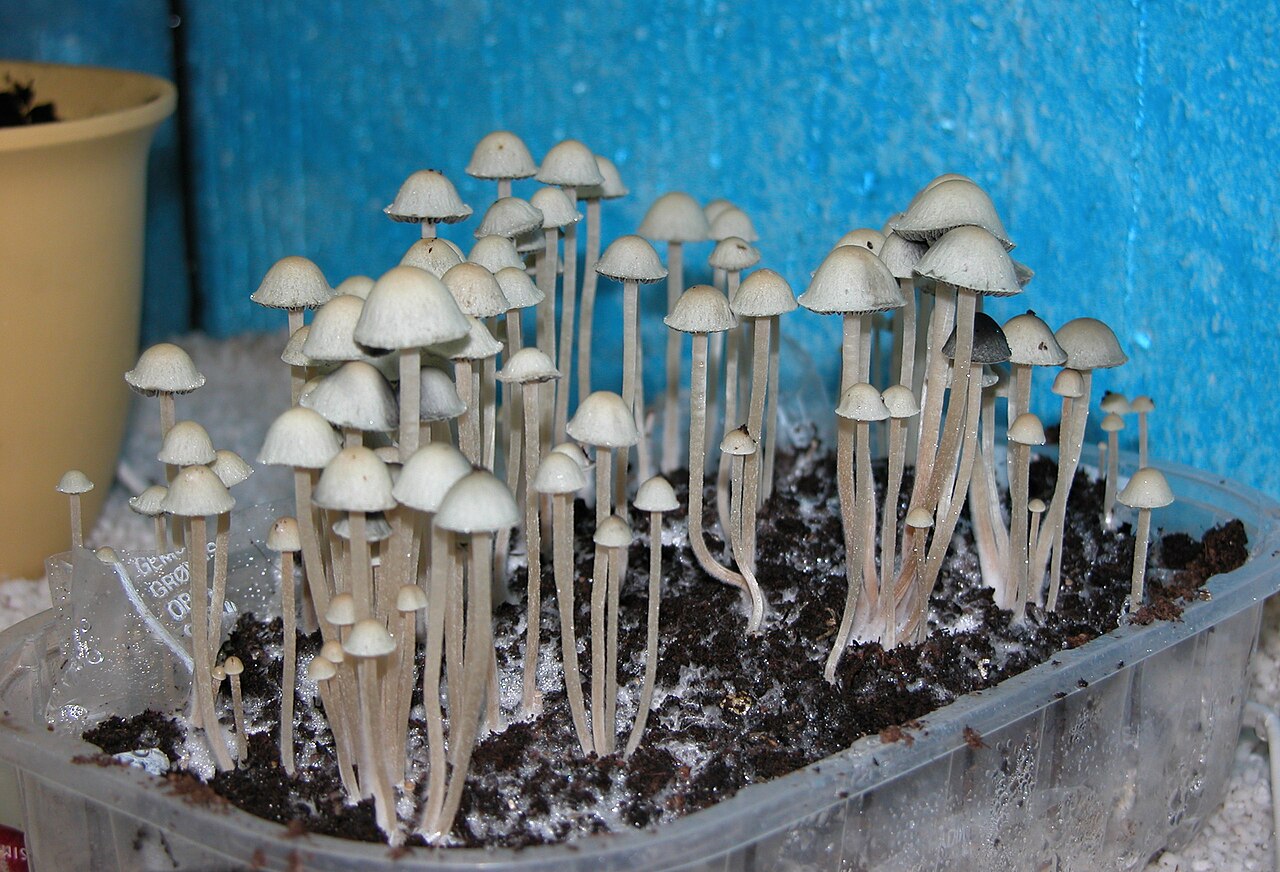 Blue meanie
PsychedelicBlue meanie
Panaeolus cyanescens
- Edible? No. Psychoactive and not treated as food.
- Risk Contains psilocybin; small pale mushrooms often require microscopic identification.
- Season Warm, rainy periods in tropical and subtropical climates.
- Range Tropical and subtropical regions worldwide.
- Characteristics Pale gray to tan cap, slender stem, dark mottled gills and strong blue bruising when damaged.
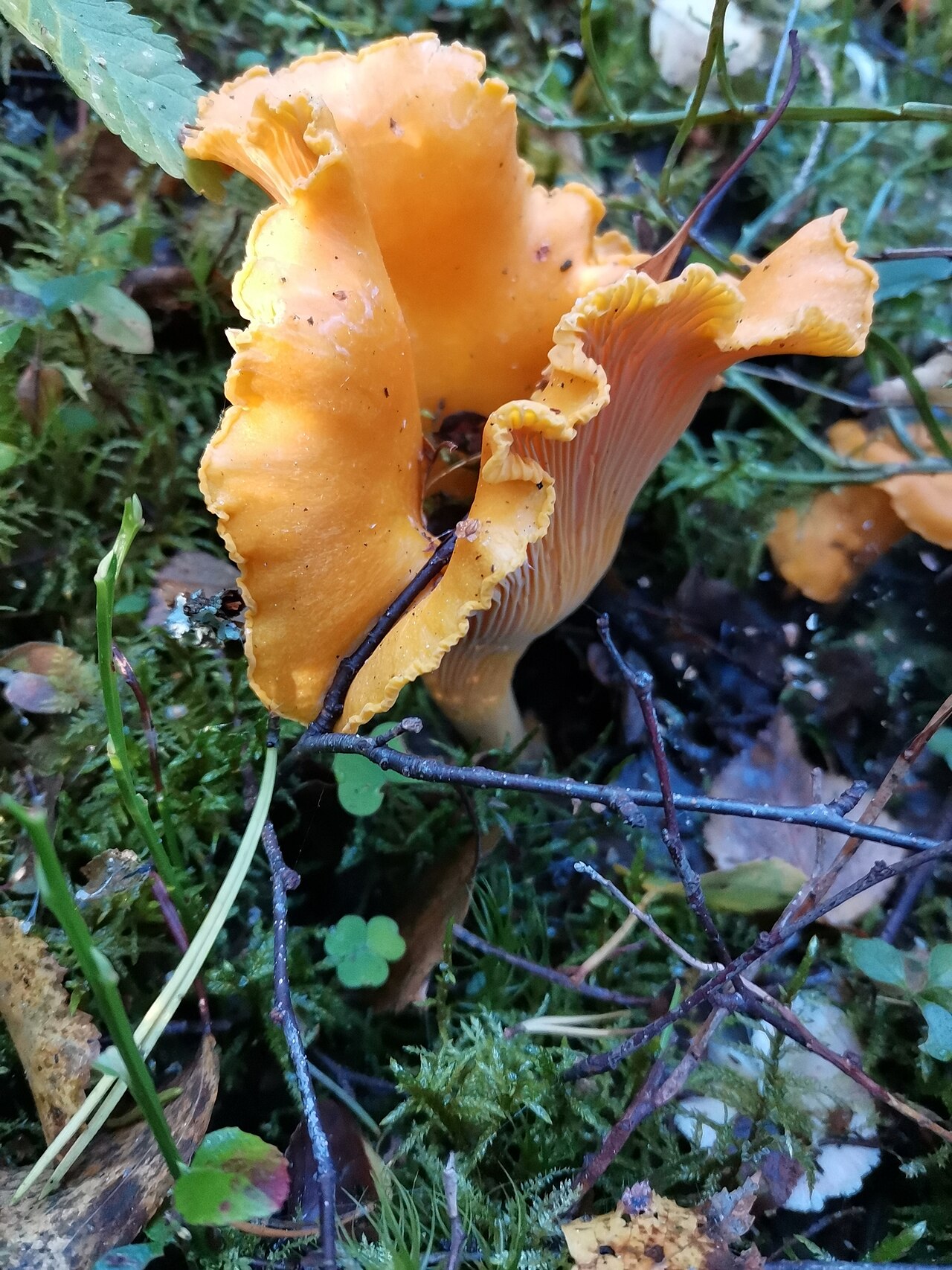 Golden chanterelle
EdibleGolden chanterelle
Cantharellus cibarius
- Edible? Choice edible only after expert identification.
- Uses Culinary; no established medical treatment.
- Season Late summer through fall.
- Range Temperate forests in North America and Europe, including Scandinavia.
- Characteristics Yellow-orange, trumpet shaped, false gill-like ridges, firm flesh and an apricot-like aroma.
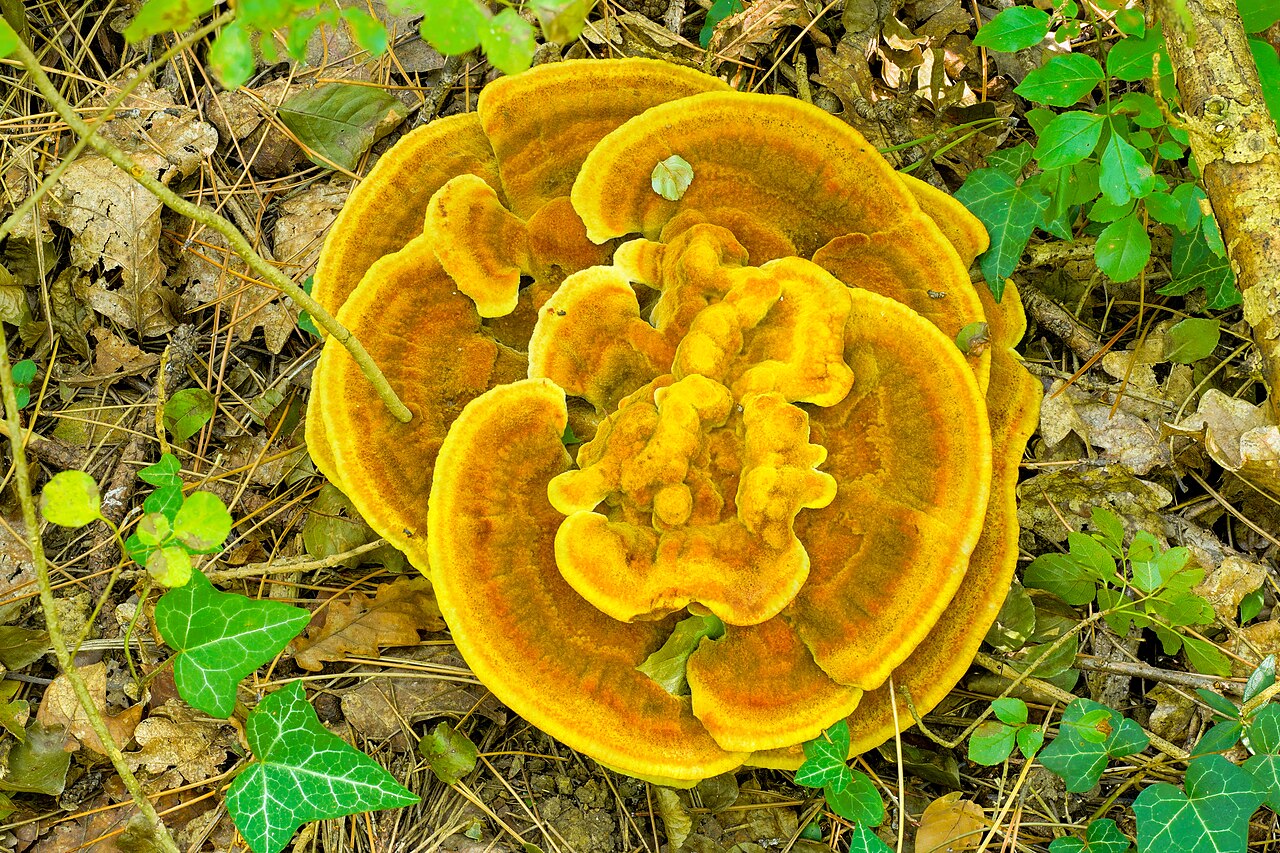 Dyer's polypore
Dye mushroomDyer's polypore
Phaeolus schweinitzii
- Edible? No. Tough and not considered edible.
- Dyes Used to dye wool in yellow, olive, brown and other earth tones.
- Season Summer through fall.
- Range Temperate conifer forests across North America, Europe and Asia.
- Characteristics Velvety rosettes with yellow-brown zones; pores bruise brown.
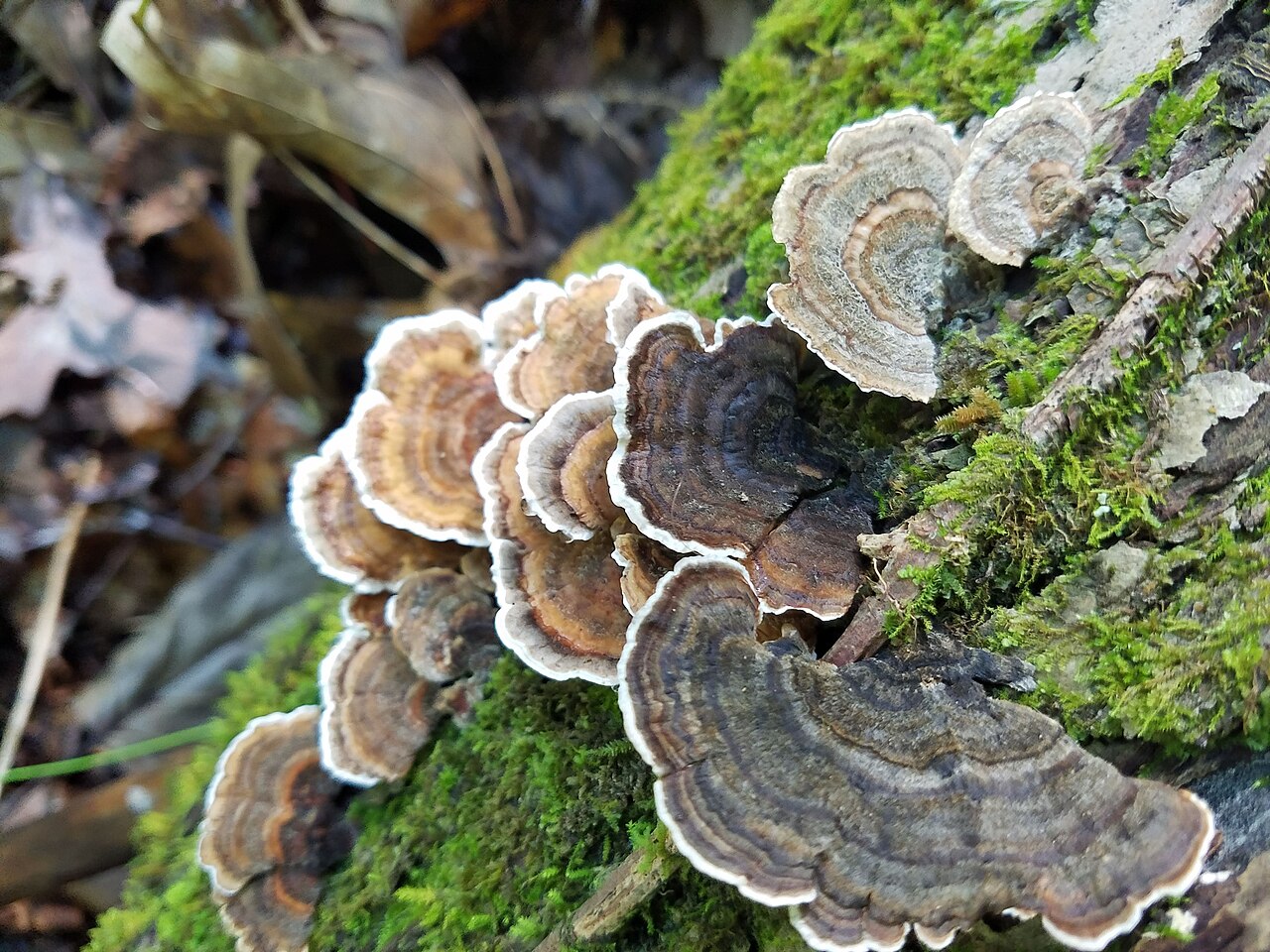 Turkey tail
ResearchTurkey tail
Trametes versicolor
- Edible? No. Thin, leathery and considered inedible.
- Treatment research The extract PSK is used as an adjunct cancer treatment in Japan; this is not the same as eating wild mushrooms.
- Season Found year-round; often most visible from fall through spring.
- Range Worldwide, including North America and Europe.
- Characteristics Concentric color bands, velvety fan-shaped caps and tiny white pores underneath.
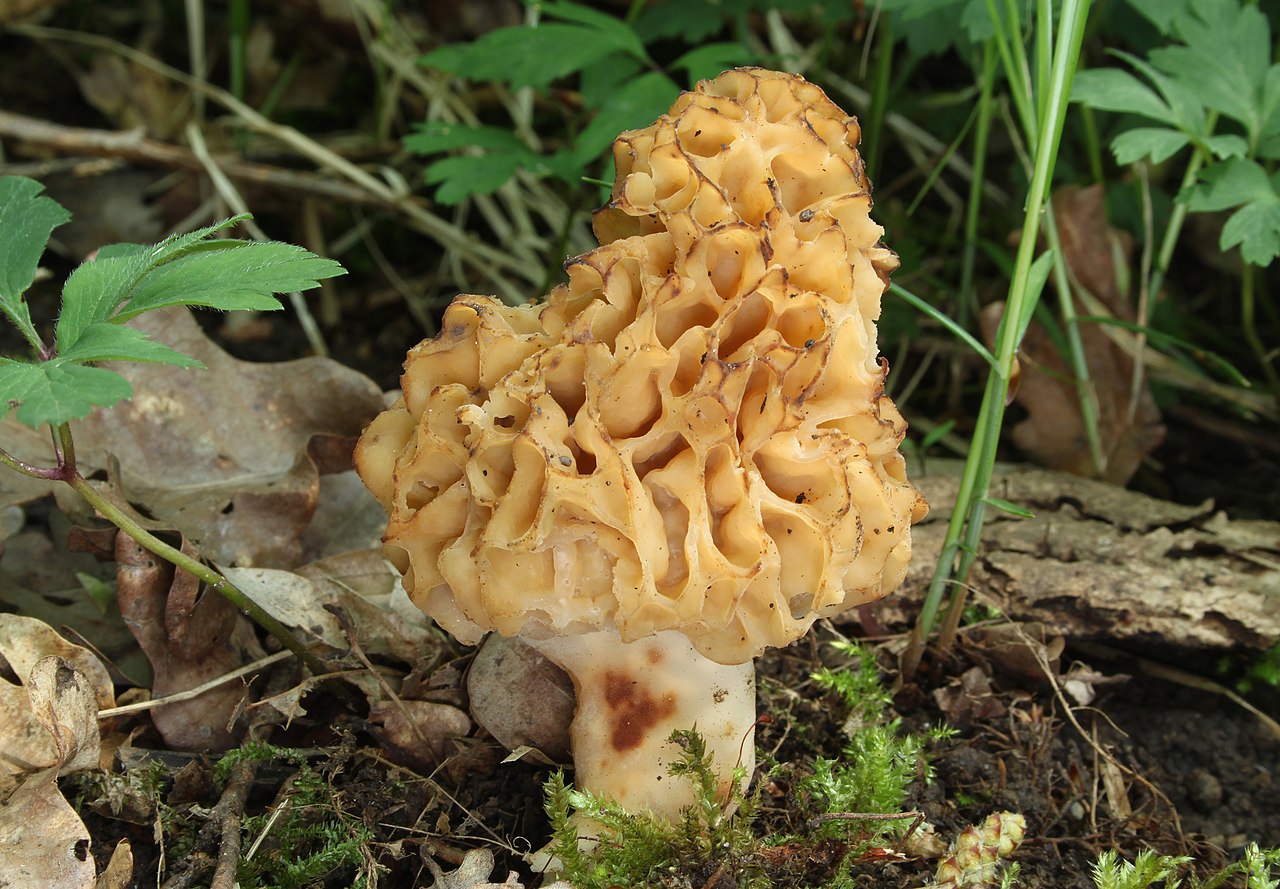 Common morel
EdibleCommon morel
Morchella esculenta
- Edible? Choice edible after expert identification and thorough cooking.
- Uses Culinary.
- Season Brief spring season after adequate rain.
- Range Most prevalent across the Northern Hemisphere.
- Characteristics Honeycomb-like cap with deep pits; hollow stem and cap. Poisonous false morels can look similar.
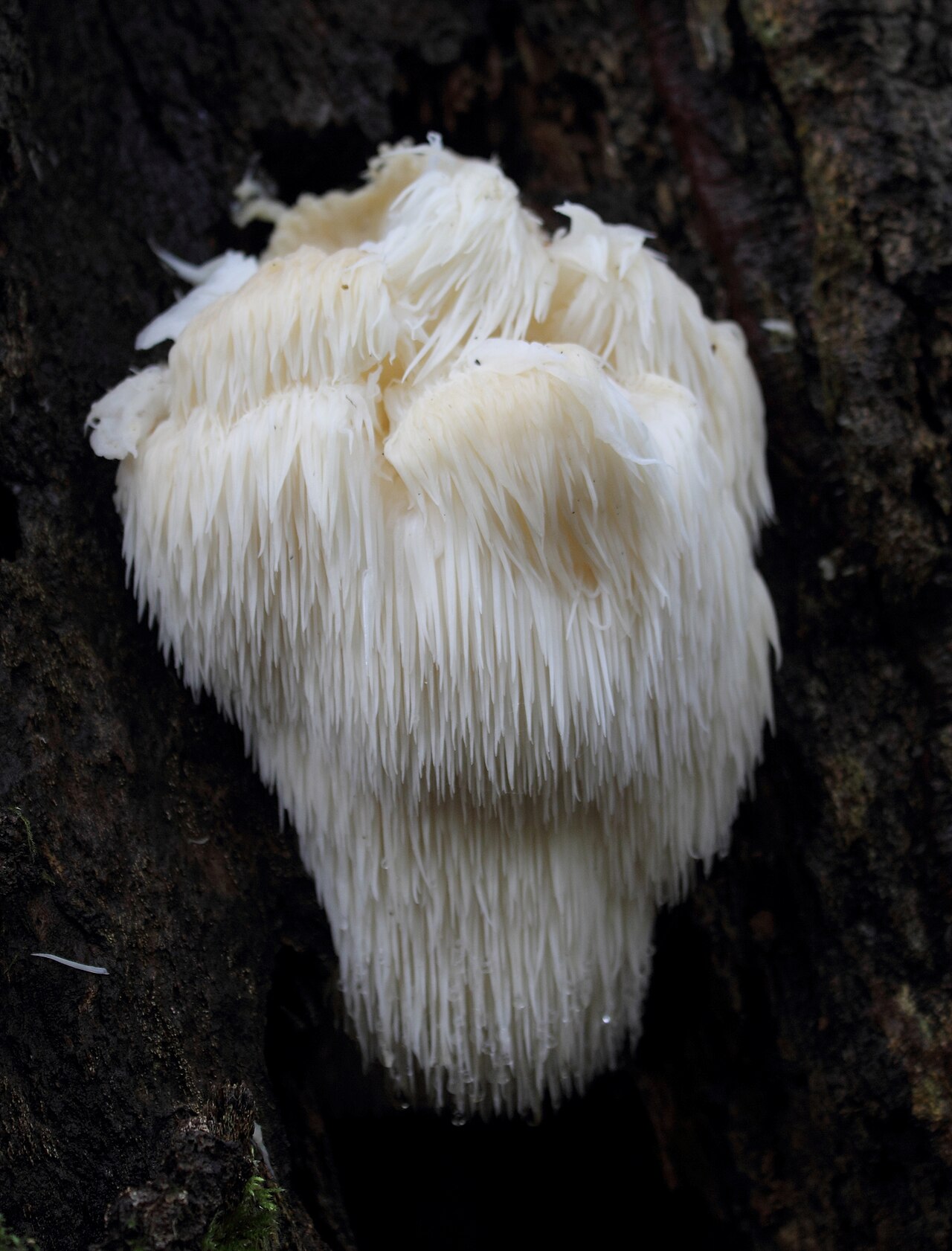 Lion's mane
EdibleLion's mane
Hericium erinaceus
- Edible? Edible after expert identification.
- Uses Culinary; supplements are sold, but health claims require more research.
- Season Late fall through mid-winter in coastal California; timing varies by region.
- Range North America, Europe and Asia on living or dead hardwoods.
- Characteristics Rounded white clusters with long, downward-pointing spines that yellow with age.
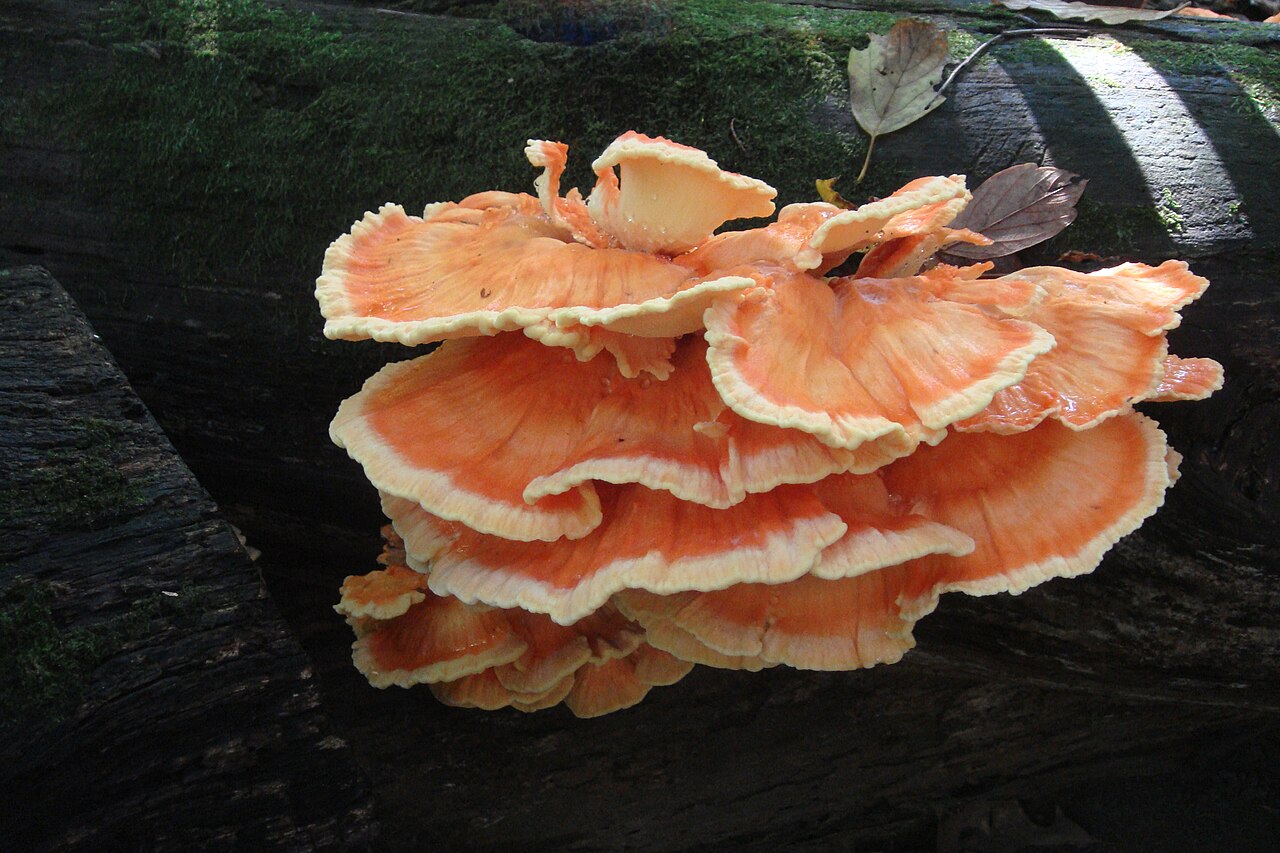 Chicken of the woods
EdibleChicken of the woods
Laetiporus sulphureus
- Edible? Young specimens are considered edible after expert identification and cooking.
- Uses Culinary.
- Season Summer through fall.
- Range Temperate forests of North America, Europe and Asia.
- Characteristics Overlapping yellow-orange shelves on wood; soft when young and hard with age.
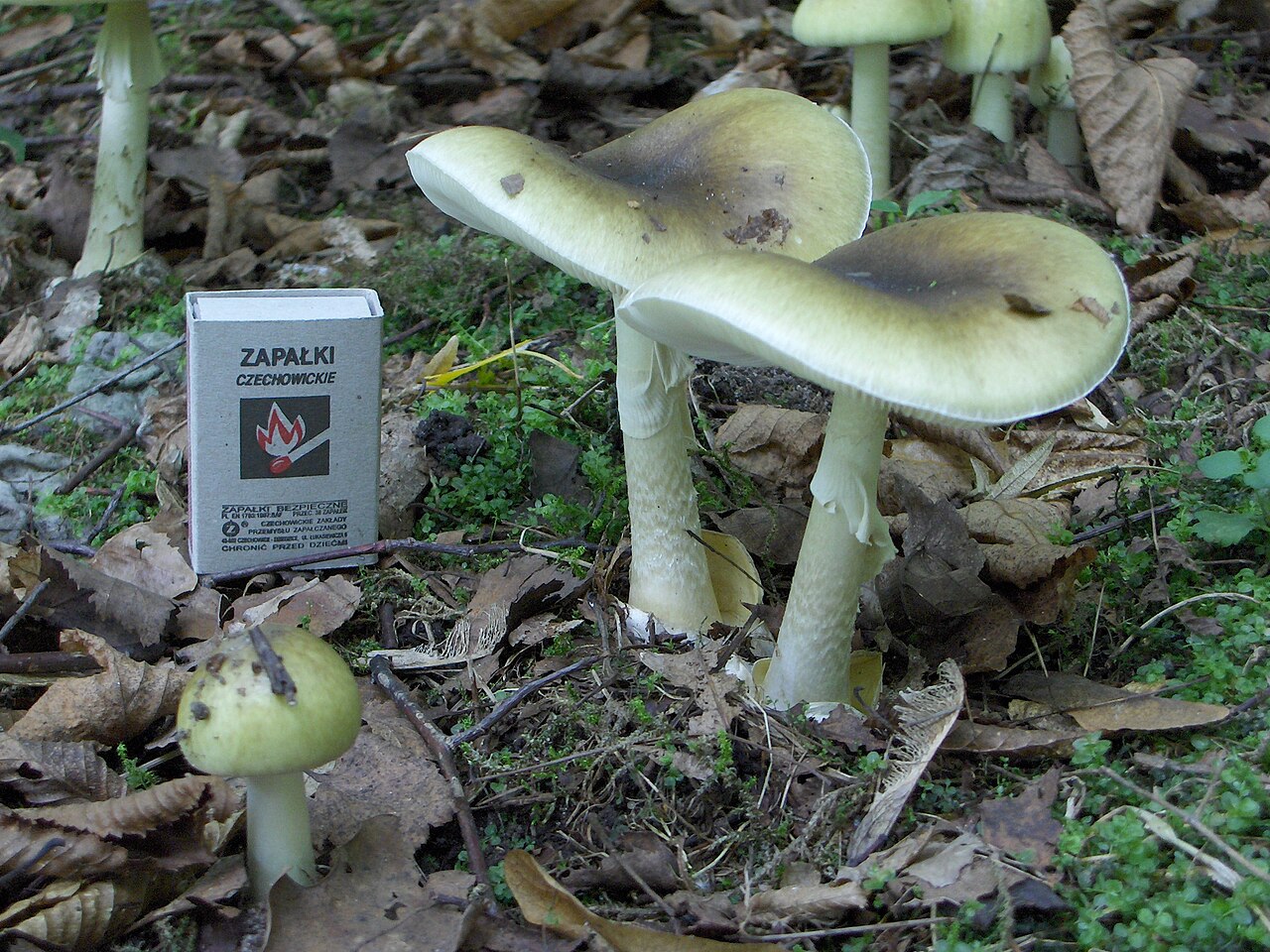 Death cap
DeadlyDeath cap
Amanita phalloides
- Edible? No. Deadly poisonous; cooking does not make it safe.
- Risk Amatoxins can cause delayed liver and kidney failure.
- Season Summer through fall.
- Range Native to Europe and introduced in parts of North America and Australia.
- Characteristics Olive to yellow-green cap, white gills, a stem ring and a cup-like volva at the base.
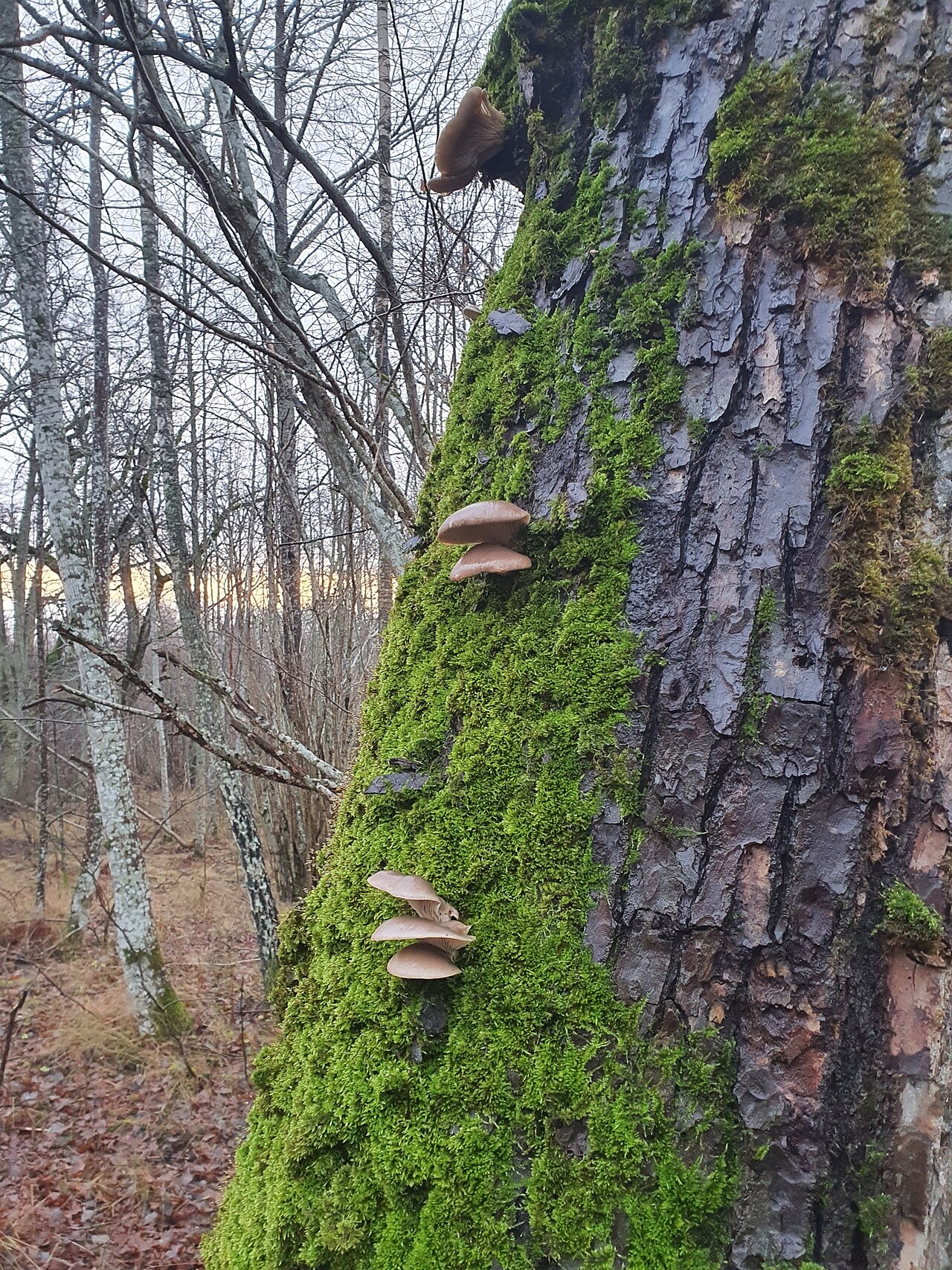 Oyster mushroom
EdibleOyster mushroom
Pleurotus ostreatus
- Edible? Edible after expert identification and cooking.
- Uses Culinary; also widely cultivated.
- Season Fall through winter in cool climates.
- Range Temperate North America, Europe and Asia on hardwood.
- Characteristics Overlapping gray caps, white decurrent gills and little or no central stem.
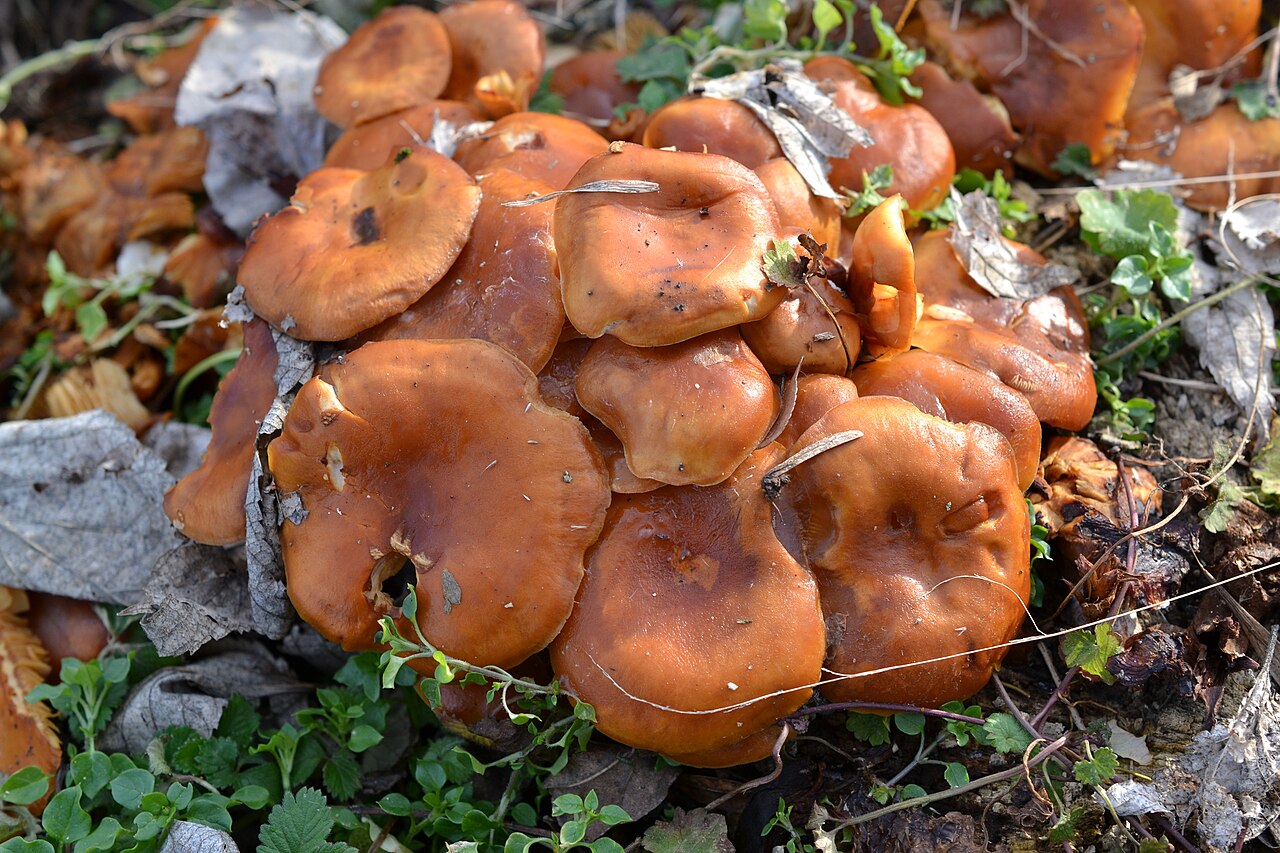 Jack-o'-lantern
PoisonousJack-o'-lantern
Omphalotus illudens
- Edible? No. Causes severe gastrointestinal illness.
- Risk Sometimes mistaken for chanterelles.
- Season Summer through fall.
- Range Eastern North America, growing in dense clusters on buried or exposed wood.
- Characteristics Orange cap, true blade-like gills and faintly bioluminescent gills in darkness.
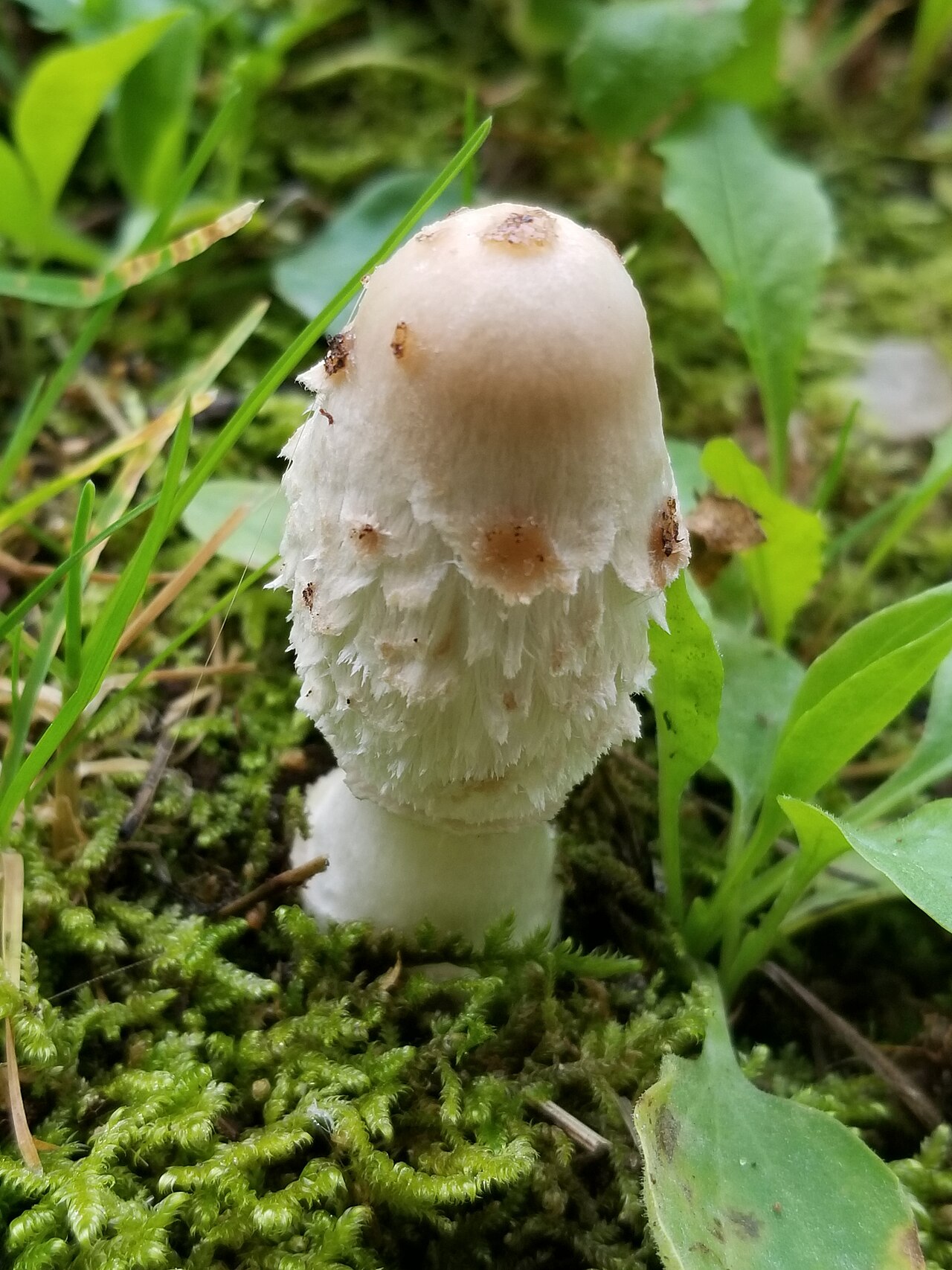 Shaggy mane
EdibleShaggy mane
Coprinus comatus
- Edible? Young specimens are eaten after expert identification and cooking.
- Uses Culinary while the gills remain white.
- Season Spring through fall, often after rain.
- Range Widespread in lawns, paths and disturbed soil across temperate regions.
- Characteristics Tall shaggy white cap that dissolves into black ink as it matures.
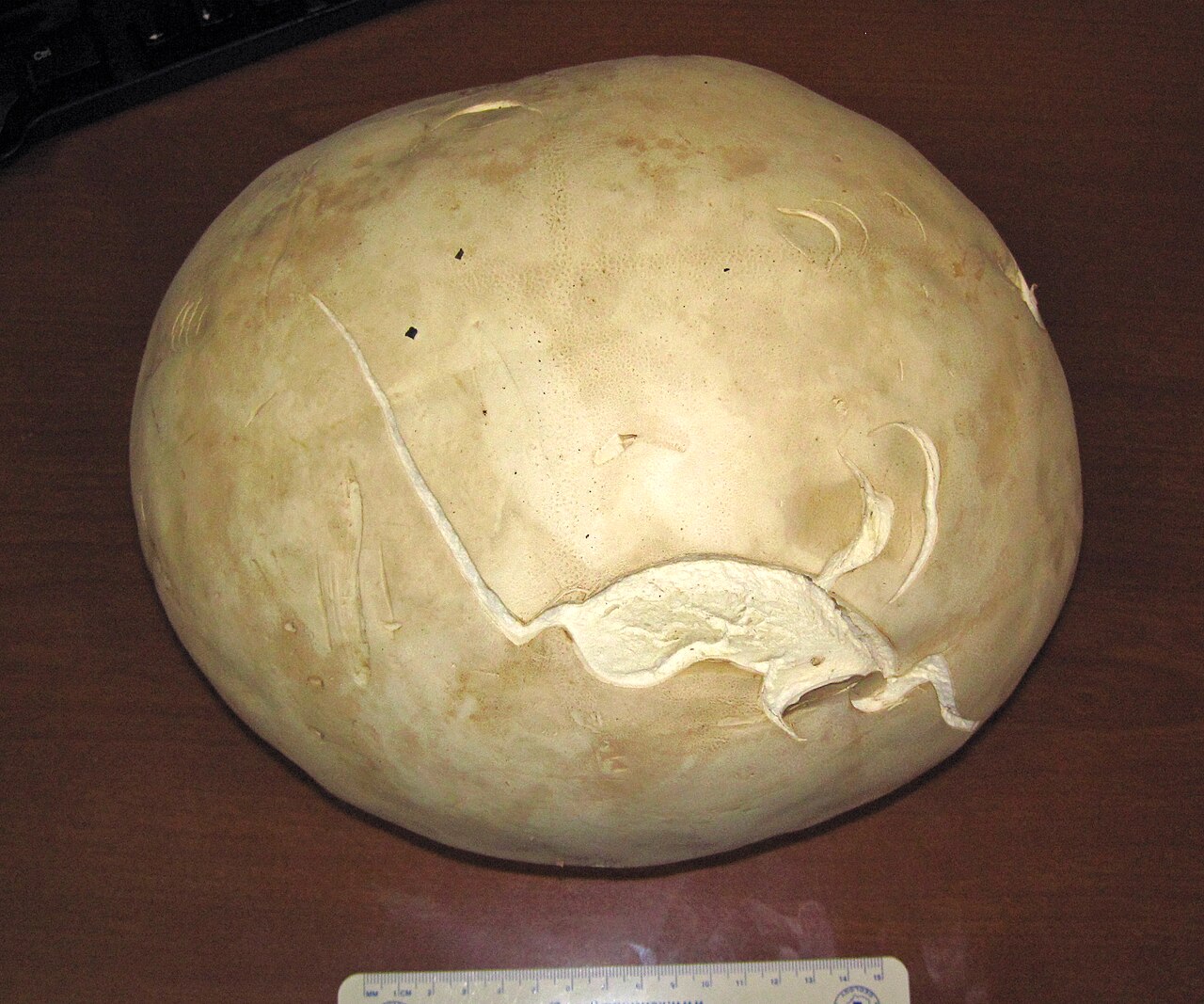 Giant puffball
EdibleGiant puffball
Calvatia gigantea
- Edible? Only young, uniformly white interiors are eaten after expert identification.
- Uses Culinary when immature.
- Season Late summer through fall.
- Range Meadows, fields and open woodland in North America and Europe.
- Characteristics Huge round white fruiting body with no visible gills, cap or stem.
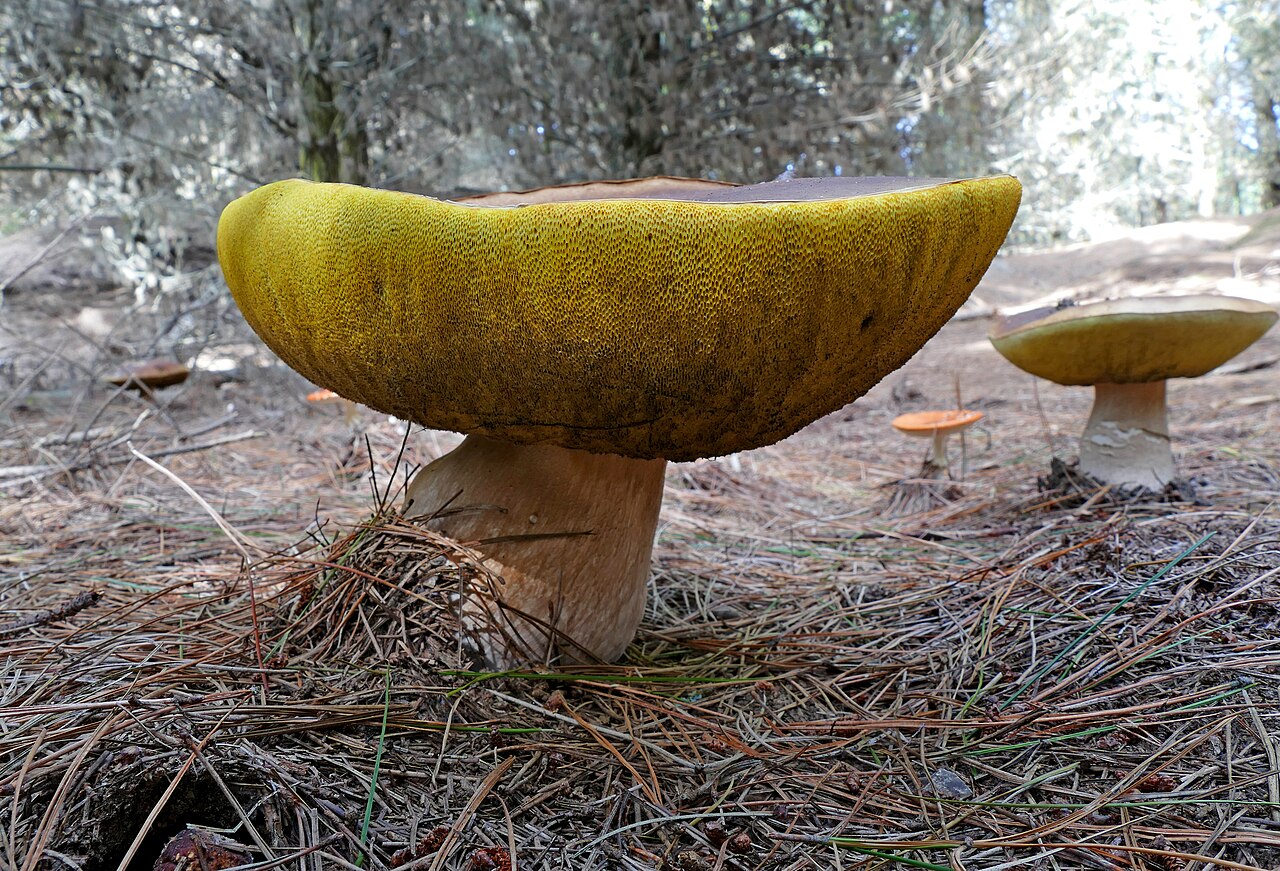 Porcini
EdiblePorcini
Boletus edulis
- Edible? Choice edible after expert identification.
- Uses Culinary, fresh or dried.
- Season Summer through fall.
- Range Northern Hemisphere forests; introduced in Australia and New Zealand.
- Characteristics Brown bun-shaped cap, thick pale stem and sponge-like pores instead of gills.
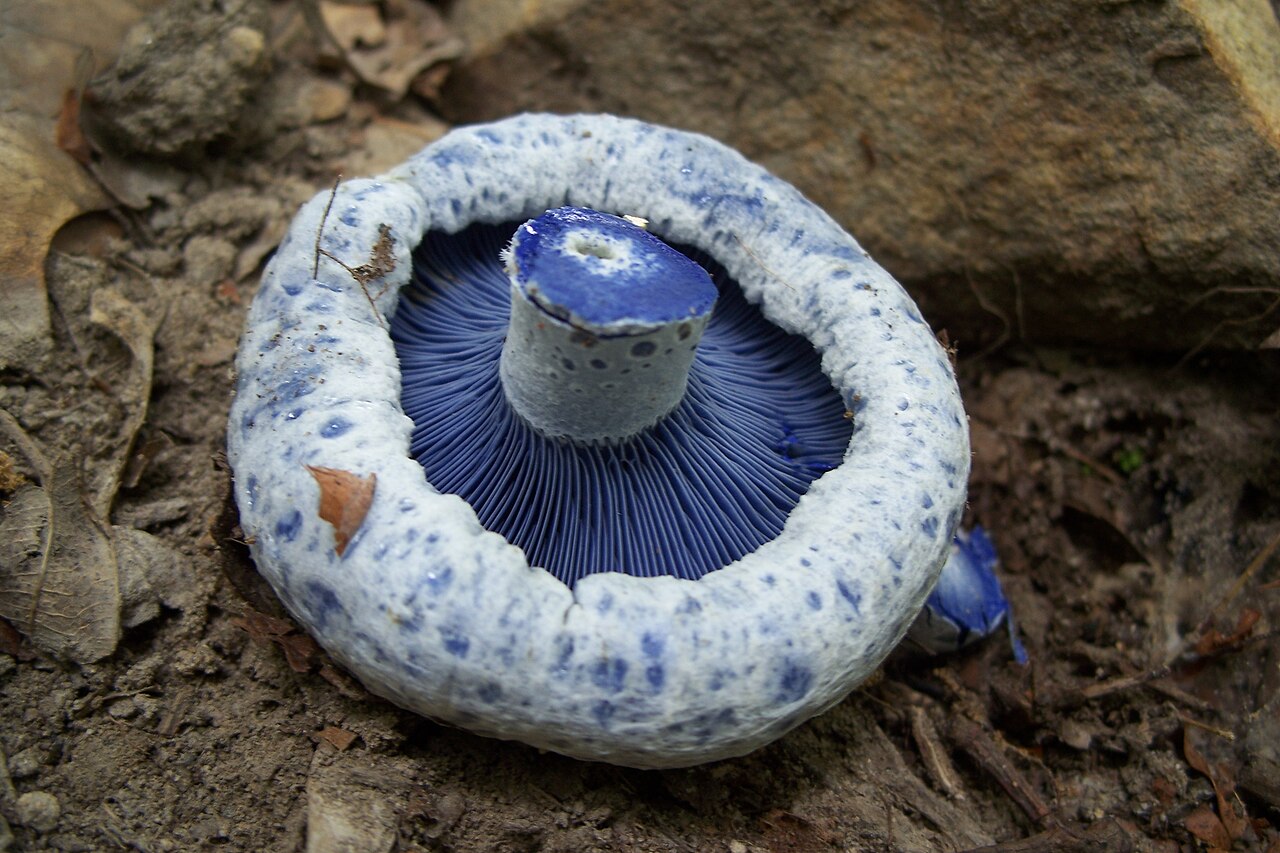 Indigo milk cap
EdibleIndigo milk cap
Lactarius indigo
- Edible? Considered edible after expert identification and cooking.
- Uses Culinary; valued for its unusual color.
- Season Summer through fall.
- Range Eastern North America, Mexico, Central America and parts of Asia.
- Characteristics Blue zoned cap and gills; damaged tissue releases blue milk that can turn green.
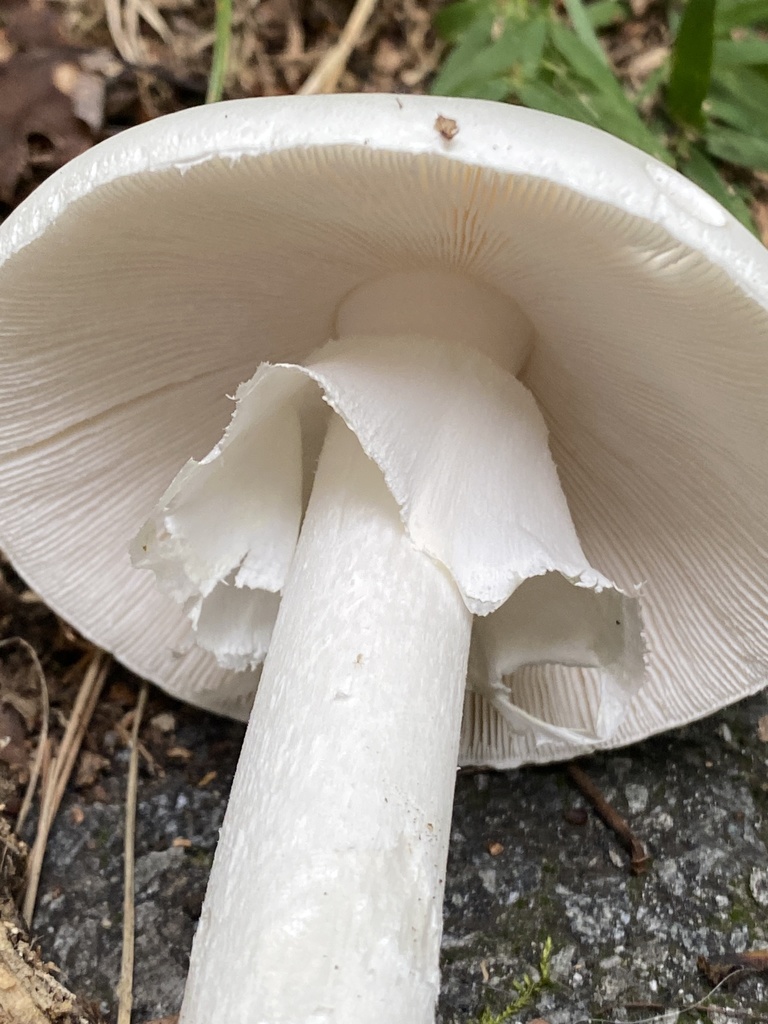 Destroying angel
DeadlyDestroying angel
Amanita bisporigera
- Edible? No. Deadly poisonous.
- Risk Amatoxins can cause delayed liver and kidney failure.
- Season Summer through fall.
- Range Eastern North American hardwood forests.
- Characteristics Entirely white cap and gills, skirt-like ring and cup-like volva at the base.
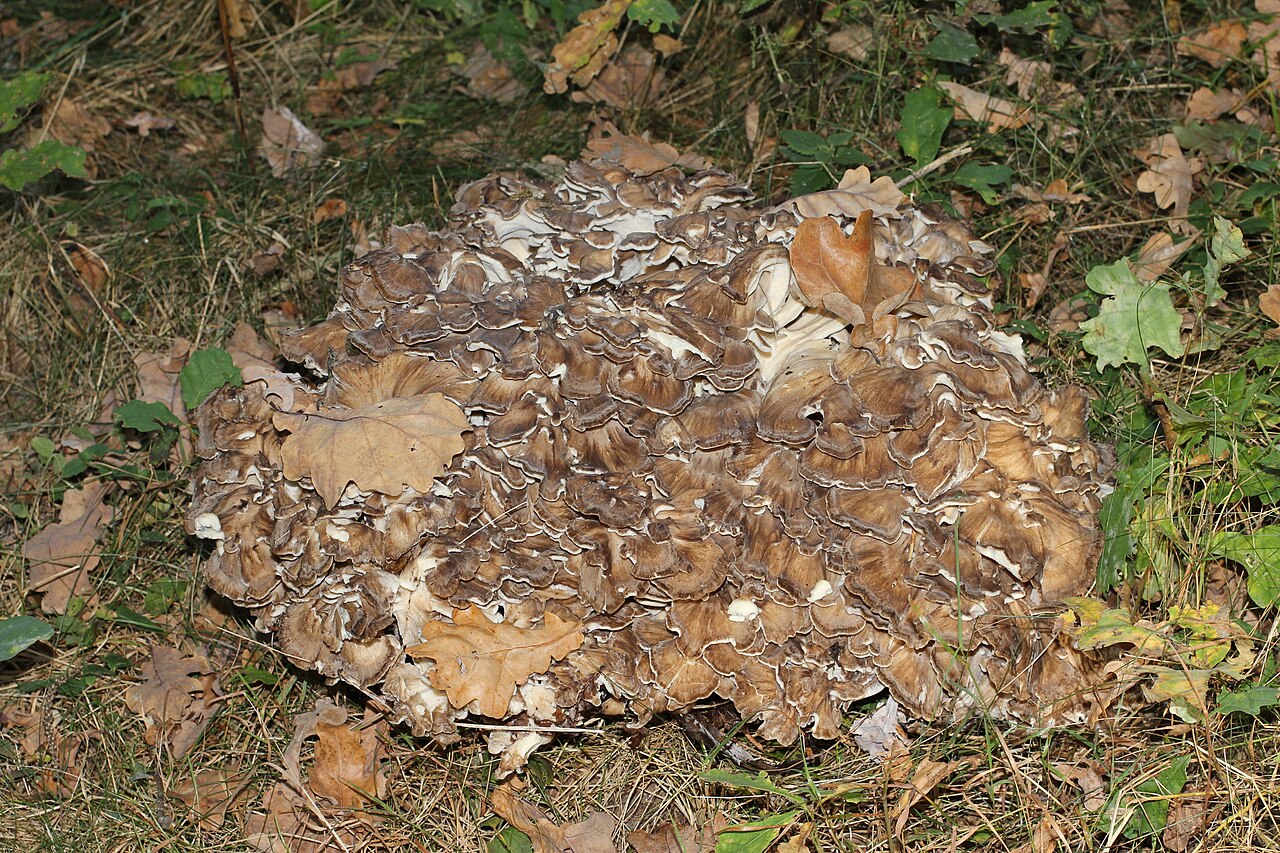 Hen of the woods
EdibleHen of the woods
Grifola frondosa
- Edible? Considered a choice edible after expert identification and cooking.
- Uses Culinary; also cultivated as maitake.
- Season Fall, commonly September through November.
- Range Temperate forests in eastern North America, Europe and Asia, usually near mature oaks.
- Characteristics A large branching cluster of overlapping gray-brown, spoon-shaped caps with white pores underneath.
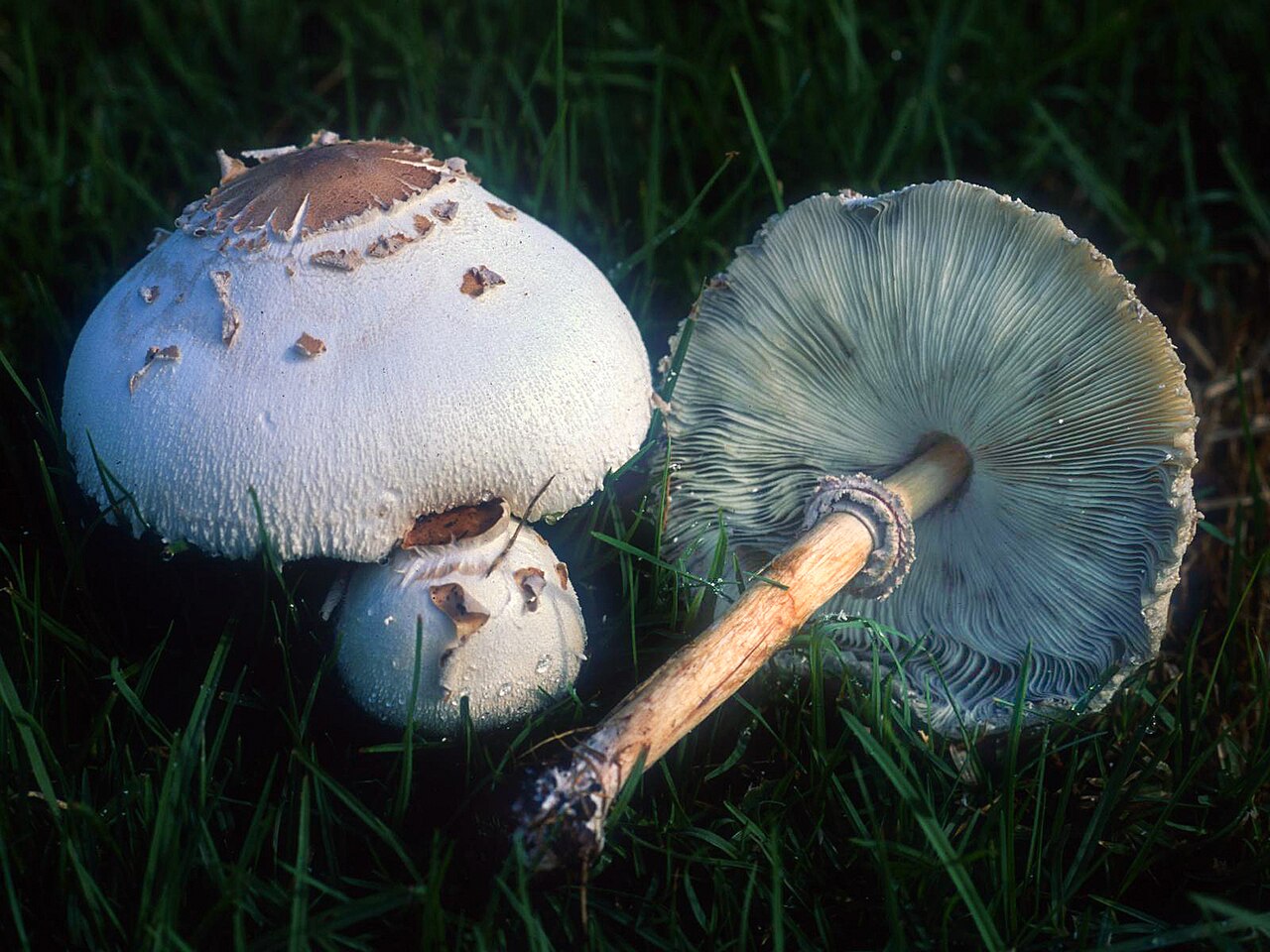 Green-spored parasol
PoisonousGreen-spored parasol
Chlorophyllum molybdites
- Edible? No. A common cause of severe vomiting and diarrhea.
- Risk Frequently mistaken for edible parasol mushrooms.
- Season Summer through early fall, especially after rain.
- Range Warm regions of North America and Australia; often found in lawns, parks and pastures.
- Characteristics Broad pale cap with brown scales, a stem ring, gills that become gray-green and a green spore print.
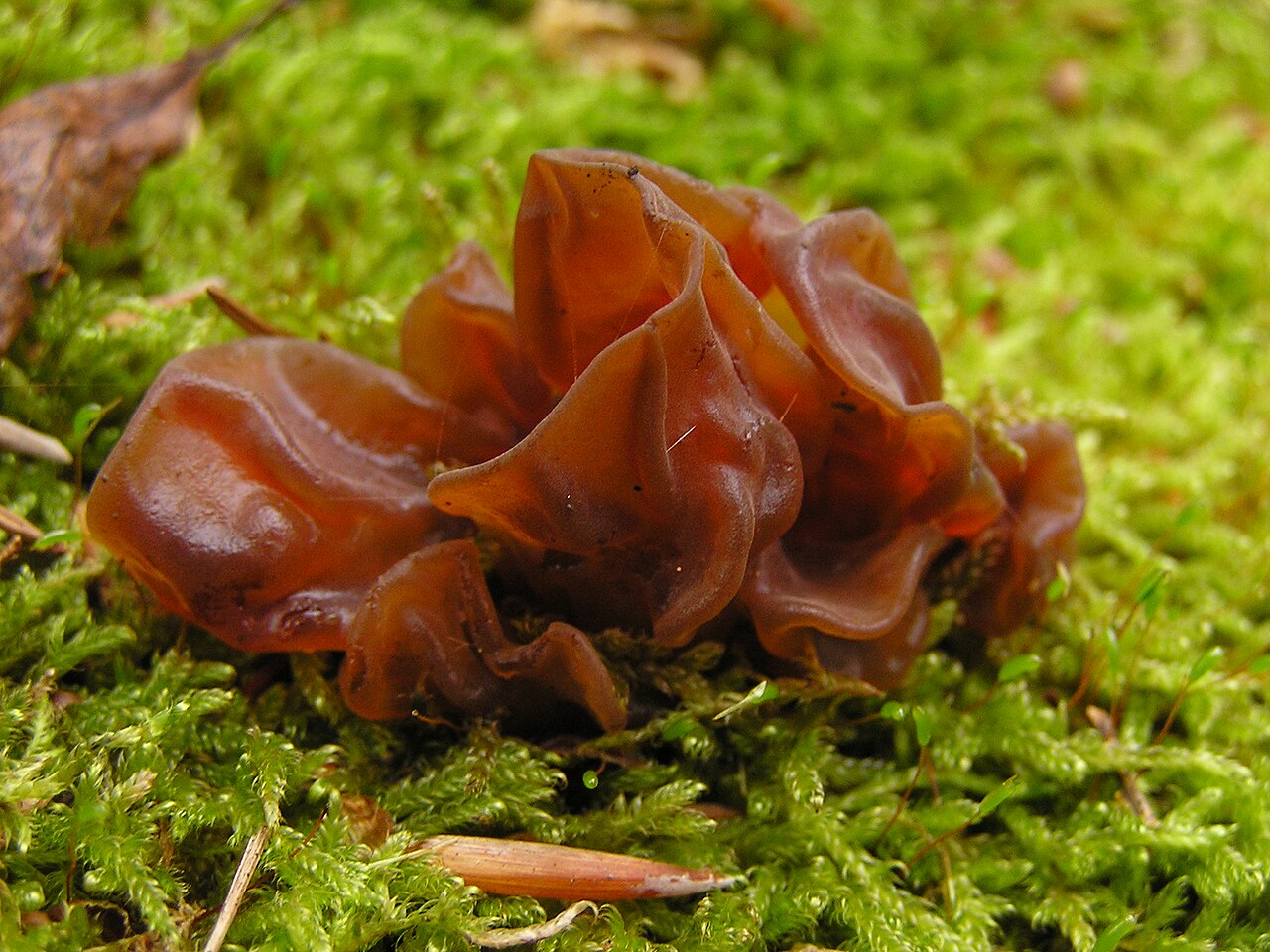 Wood ear
EdibleWood ear
Auricularia auricula-judae
- Edible? Edible after expert identification and cooking.
- Uses Culinary, especially in soups and stir-fries; related species are widely cultivated.
- Season Can appear year-round during damp, mild weather.
- Range Europe and parts of Asia, growing on dead or weakened hardwood, especially elder.
- Characteristics Flexible reddish-brown cups shaped like ears, with a smooth inner surface and finely hairy outer surface.
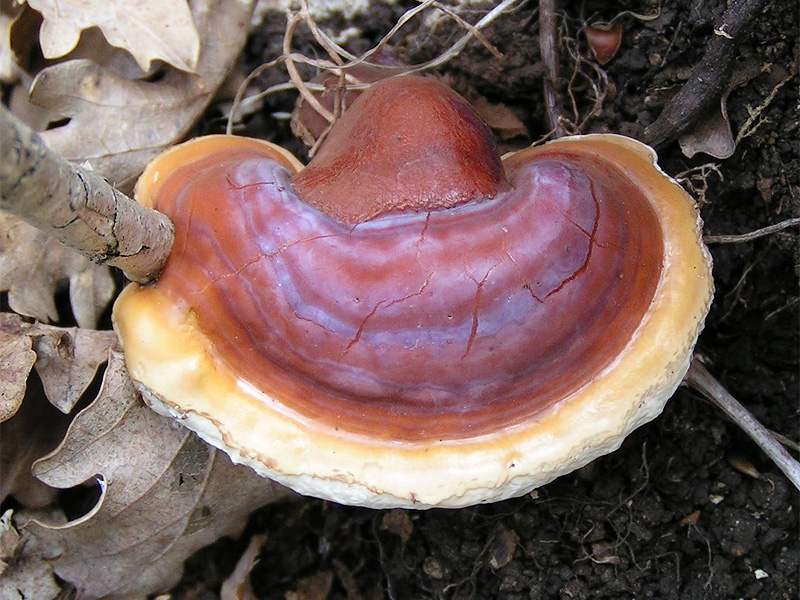 Reishi
ResearchReishi
Ganoderma lucidum
- Edible? Not eaten as food because the fruiting body is tough and woody.
- Treatment research Long history of traditional use, but it is not an established substitute for medical treatment.
- Season Summer through fall.
- Range Europe and parts of Asia on hardwood; similar North American species are often called reishi.
- Characteristics Shelf-like fruiting body with a lacquered red-brown surface, pale growing margin and pores underneath.
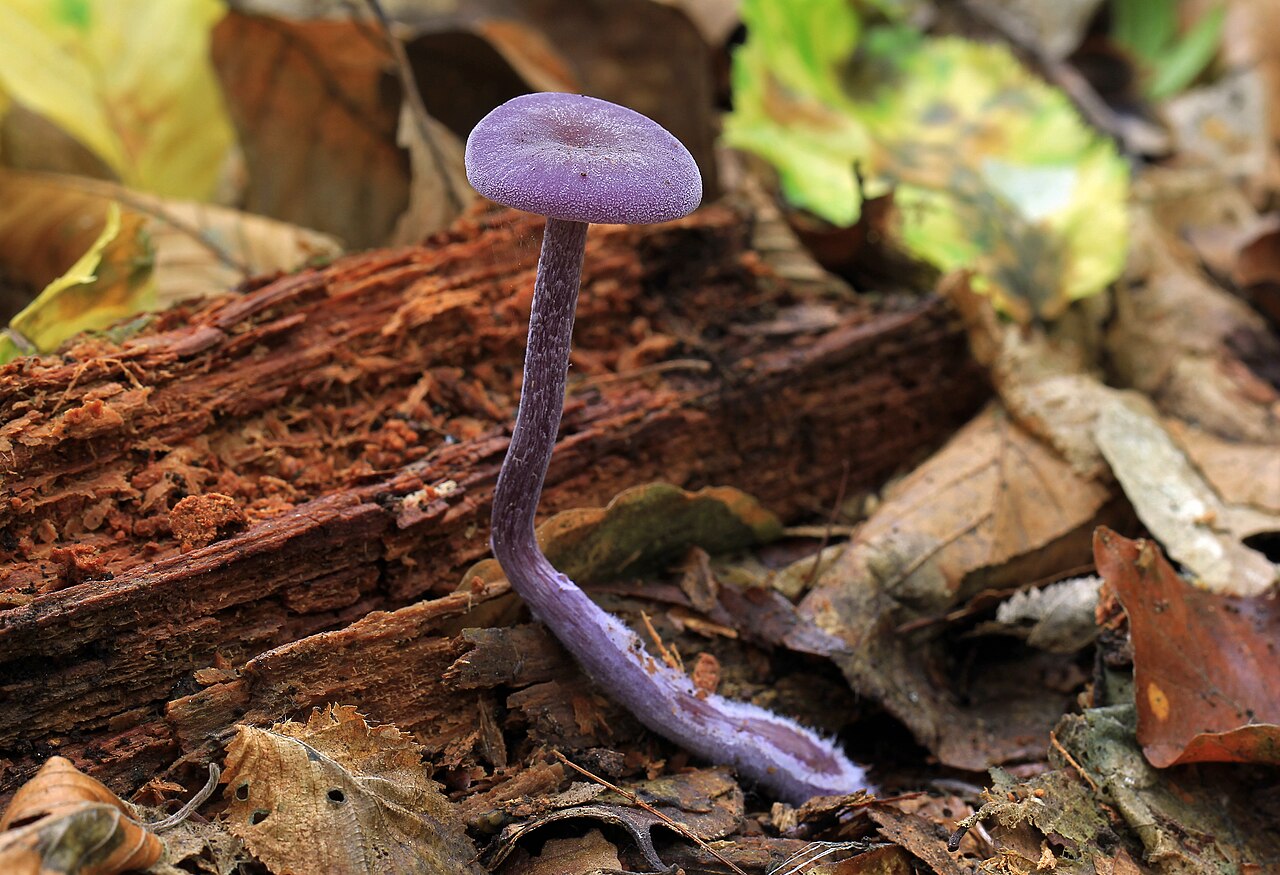 Amethyst deceiver
Field interestAmethyst deceiver
Laccaria amethystina
- Edible? Not recommended here; small purple mushrooms have difficult lookalikes and may accumulate contaminants.
- Uses Primarily appreciated for identification study and its vivid color.
- Season Late summer through fall.
- Range Woodlands across Europe, Asia and parts of North America.
- Characteristics Deep violet cap, widely spaced purple gills and a fibrous stem; older specimens fade and become harder to identify.
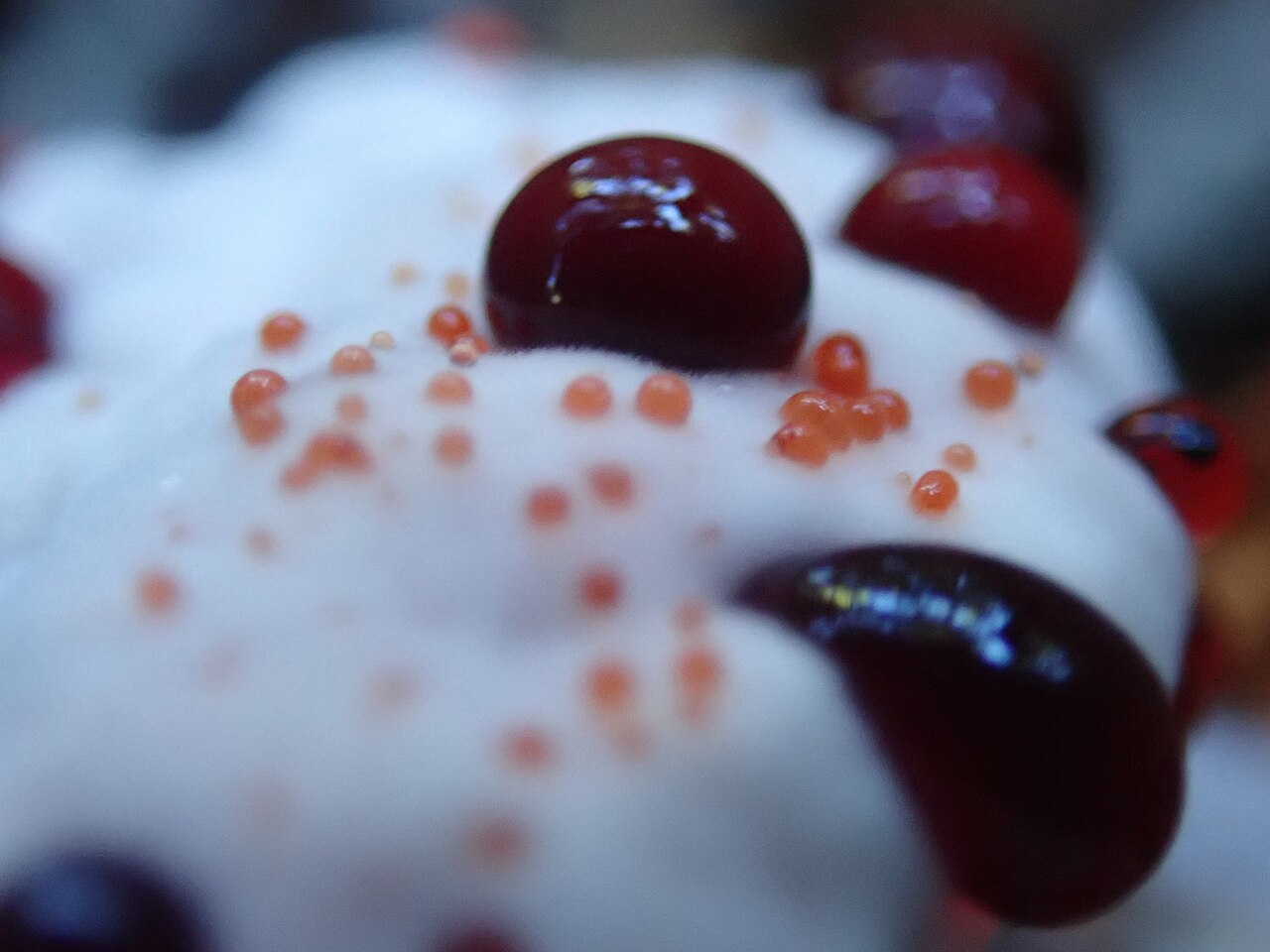 Bleeding tooth
Dye mushroomBleeding tooth
Hydnellum peckii
- Edible? No. Extremely bitter, tough and considered inedible.
- Dyes Tooth fungi in this group can produce natural blue-green and earth-tone dyes.
- Season Summer through fall.
- Range Conifer forests in North America, Europe and parts of Asia.
- Characteristics Young pale caps exude red droplets; the underside has teeth rather than gills and the cap darkens with age.
 Anthony Amaru